
If you’re a San Diego parent of a child with autism spectrum disorder (ASD), ADHD, sensory processing challenges, anxiety, or developmental delays, you may notice that anxiety shows up in ways that don’t always look like worry.
Parents often describe it as:
Constant tension or restlessness
Big reactions to small changes
Avoidance of new situations
Physical complaints like stomach aches or headaches
Trouble sleeping or separating
A child who seems “on edge” even during calm moments
You may wonder:
“Why does my child feel anxious when nothing obvious is wrong?”
The answer often isn’t about thoughts or emotions alone.
It’s about the nervous system.
Anxiety Is Not Just a Feeling — It’s a Nervous System State
Anxiety is commonly described as an emotion, but biologically, it is a protective nervous system response.
At its core, anxiety reflects a nervous system that is asking:
“Am I safe right now?”
When the nervous system senses safety:
The body supports learning, digestion, sleep, and connection
When it senses threat (real or perceived):
The nervous system shifts into fight-or-flight
This shift happens automatically — not by choice — and it affects the entire body.
How Anxiety Shows Up in the Body of a Child
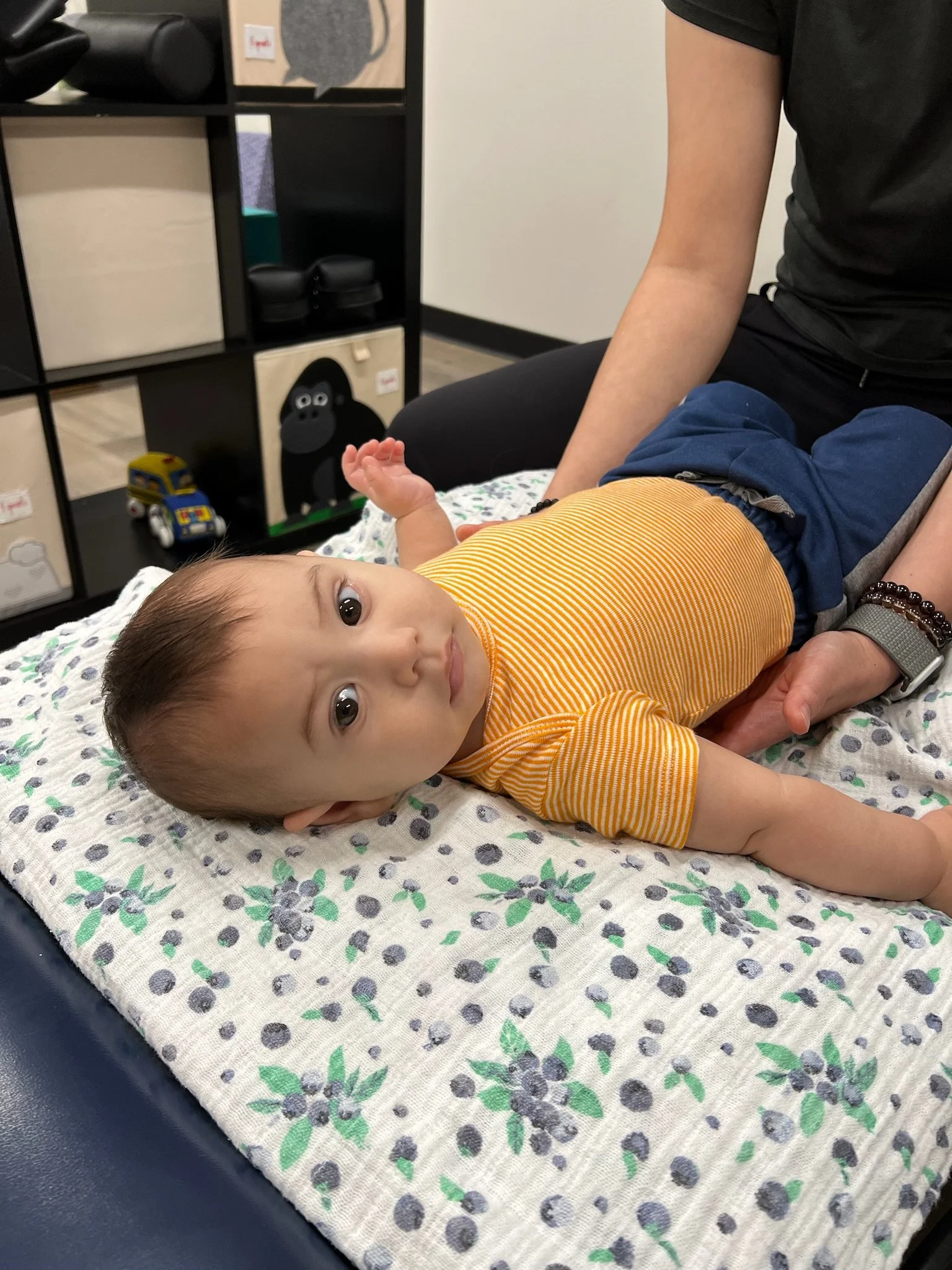
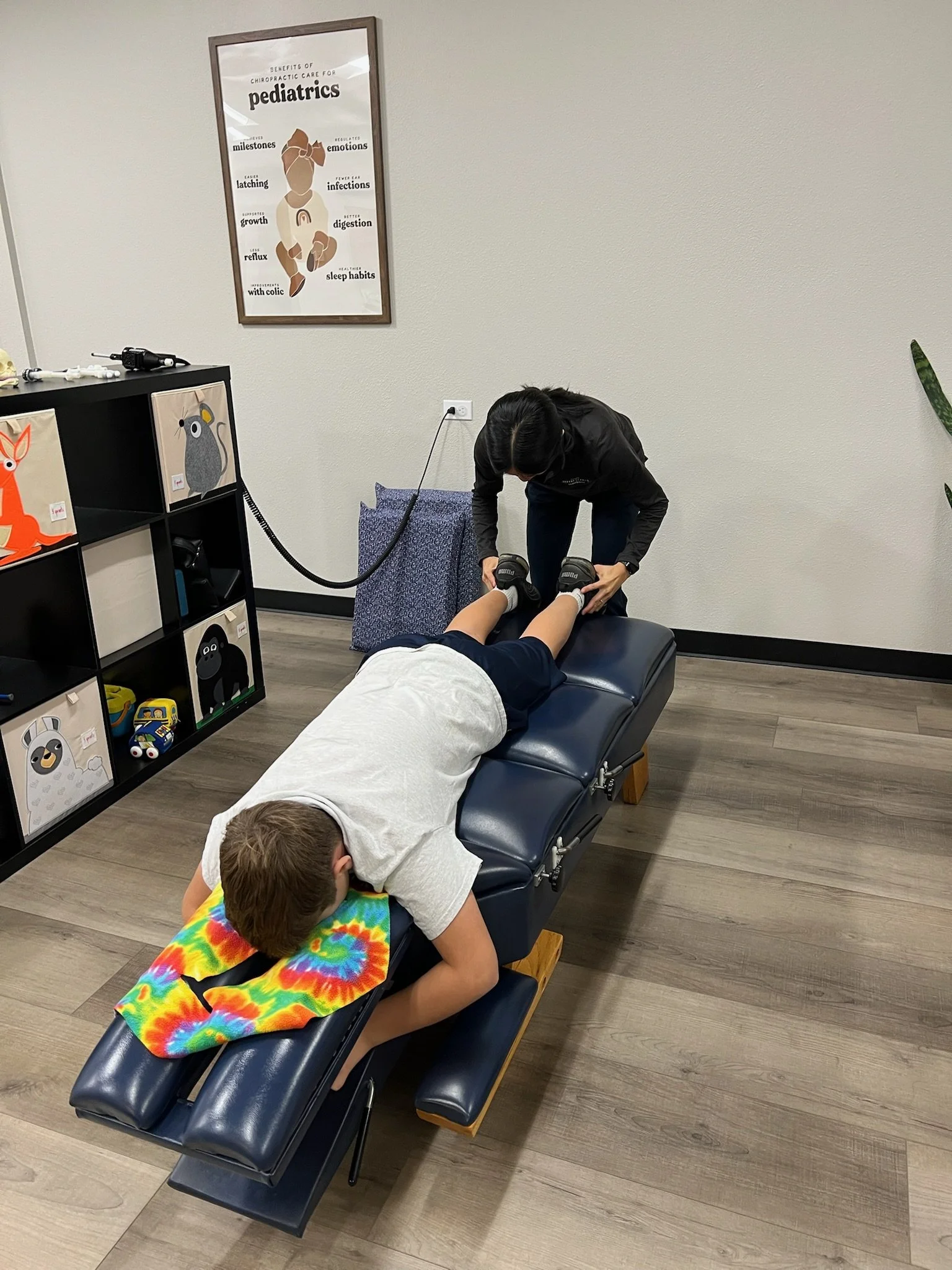
San Diego pediatric chiropractic adjustment
In children, anxiety often looks less like verbal worry and more like physical dysregulation.
This can include:
Rapid breathing or shallow breaths
Muscle tension
Digestive discomfort
Increased heart rate
Sensory defensiveness
Difficulty concentrating
Emotional outbursts or withdrawal
For many neurodivergent children, this becomes a baseline state, not a temporary response.
Why Anxiety Is Common in Neurodivergent Kids
Research shows that children with autism, ADHD, sensory processing disorder, and genetic or developmental conditions often experience:
Altered autonomic nervous system balance
Higher baseline sympathetic (stress) activity
Reduced parasympathetic (rest-and-digest) tone
Increased sensitivity to sensory and environmental input
This means their nervous systems:
Detect “threat” more quickly
Take longer to return to calm
Use more energy just to stay regulated
In stimulating environments — including busy, fast-paced cities like San Diego — nervous system stress can quietly accumulate.
The Role of the Immune System in Anxiety and Stress
The immune system and nervous system are in constant communication.
When immune stress or inflammation is present:
The brain receives alert signals
Nervous system arousal increases
Calm regulation becomes harder
Research published in Nature and Nature Communications has shown that immune signaling molecules are detected by neural pathways and influence brain activity and stress responses.
This helps explain why parents often notice:
Increased anxiety during or after illness
Regressions following immune challenges
Heightened emotional responses when a child is run down
This does not mean immune issues cause anxiety —
but immune stress can amplify nervous system vigilance.
Why Reassurance Alone Often Isn’t Enough
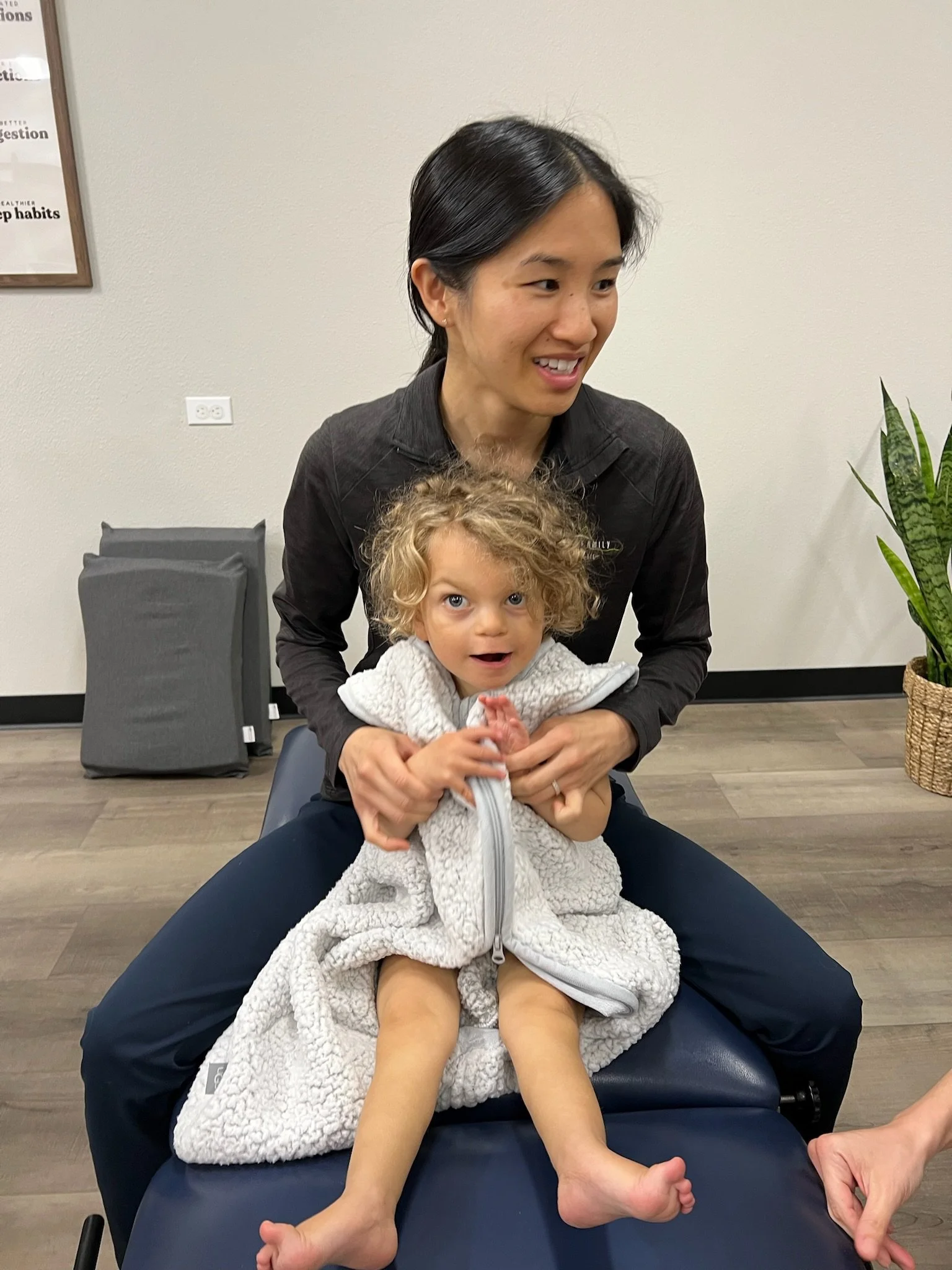
Dr. Nicole adjusting a child in San Diego
When a child is anxious, parents are often told to:
Reassure them
Talk through fears
Use logic or reasoning
While emotional support is important, it often doesn’t work on its own — because fight-or-flight bypasses the thinking brain.
When the nervous system is in protection mode:
The body prioritizes survival
Rational reassurance doesn’t register
The child isn’t choosing anxiety
The nervous system must feel safe before anxiety can soften.
Regulation vs Anxiety Management: A Critical Shift
Many approaches focus on managing anxiety.
A nervous-system-based approach focuses on supporting regulation.
Instead of asking: “How do we stop the anxiety?”
We ask: “What does this nervous system need to feel safe enough to regulate?”
When regulation improves:
Stress responses become less intense
Emotional flexibility increases
Sensory input is easier to process
Recovery after hard moments happens faster
Anxiety often decreases as regulation improves.
How Nervous System–Focused Chiropractic Care Fits In
At Sprout Family Chiropractic in San Diego, we don’t diagnose or treat anxiety disorders.
Our focus is the nervous system itself.
Neurologically focused pediatric chiropractic care is designed to:
Reduce physical stress on the nervous system
Support clearer communication between the brain and body
Improve adaptability and resilience
Help the nervous system shift out of constant protection
Care may include:
Objective nervous system scans to assess stress patterns
Gentle, age-appropriate chiropractic adjustments
Low-level laser therapy (photobiomodulation), when appropriate
A regulation-first, whole-child approach
The goal is not stimulation.
The goal is regulation.
Key Takeaways for San Diego Parents
Anxiety is a nervous system state, not a character flaw
Many neurodivergent kids live in chronic fight-or-flight
Immune stress and sensory overload can amplify anxiety
Regulation supports emotional resilience and flexibility
Supporting the nervous system helps the body feel safer
Frequently Asked Questions About Anxiety and the Nervous System
Why does my child feel anxious all the time?
Their nervous system may be detecting threat more easily and taking longer to return to calm. This is common in neurodivergent children and those with chronic stress or immune challenges.
Is anxiety different in children with autism or ADHD?
Yes. Anxiety in neurodivergent children often shows up more physically — through dysregulation, sensory sensitivity, and behavioral responses — rather than verbal worry alone.
Can anxiety affect digestion and sleep?
Yes. Anxiety and fight-or-flight states directly affect digestion, sleep, and immune function through the nervous system.
Can chiropractic care help with anxiety?
Neurologically focused pediatric chiropractic care does not treat anxiety disorders. It supports nervous system regulation, which may help the body respond more adaptively to stress.
A Final Message for Parents
Your child isn’t overreacting.
Their nervous system may simply be working too hard to keep them safe.
When we support regulation, we give the body and brain the space they need to soften stress, adapt, and grow.
If you’re a San Diego parent wondering whether anxiety may be rooted in nervous system stress — and whether a regulation-focused approach could support your child — we’re here to guide that conversation.
Scientific References & Further Reading
Thayer, J. F., & Lane, R. D. (2000). A model of neurovisceral integration in emotion regulation and dysregulation. Journal of Affective Disorders, 61, 201–216.
Porges, S. W. (2011). The Polyvagal Theory: Neurophysiological Foundations of Emotions, Attachment, Communication, and Self-Regulation. W.W. Norton & Company.
Huerta, T. S., et al. (2025). Neural representation of cytokines by vagal sensory neurons. Nature Communications, 16, 3840.
Jin, H., et al. (2024). A body–brain circuit that regulates body inflammatory responses. Nature.
Proudly supporting kids with ADHD across Clairemont, Mira Mesa, Scripps Ranch, Kearny Mesa, La Jolla, and all of San Diego
Sprout Family Chiropractic | Pediatric + Nervous System Experts
Disclaimer: This article is for educational purposes and is not intended as medical advice. Always consult your child’s healthcare provider for personalized guidance.