
The Vagus Nerve, the Immune System, and Your Child’s Brain | Why Nervous System Regulation Matters for Kids with Autism, ADHD, and Sensory Challenges in San Diego
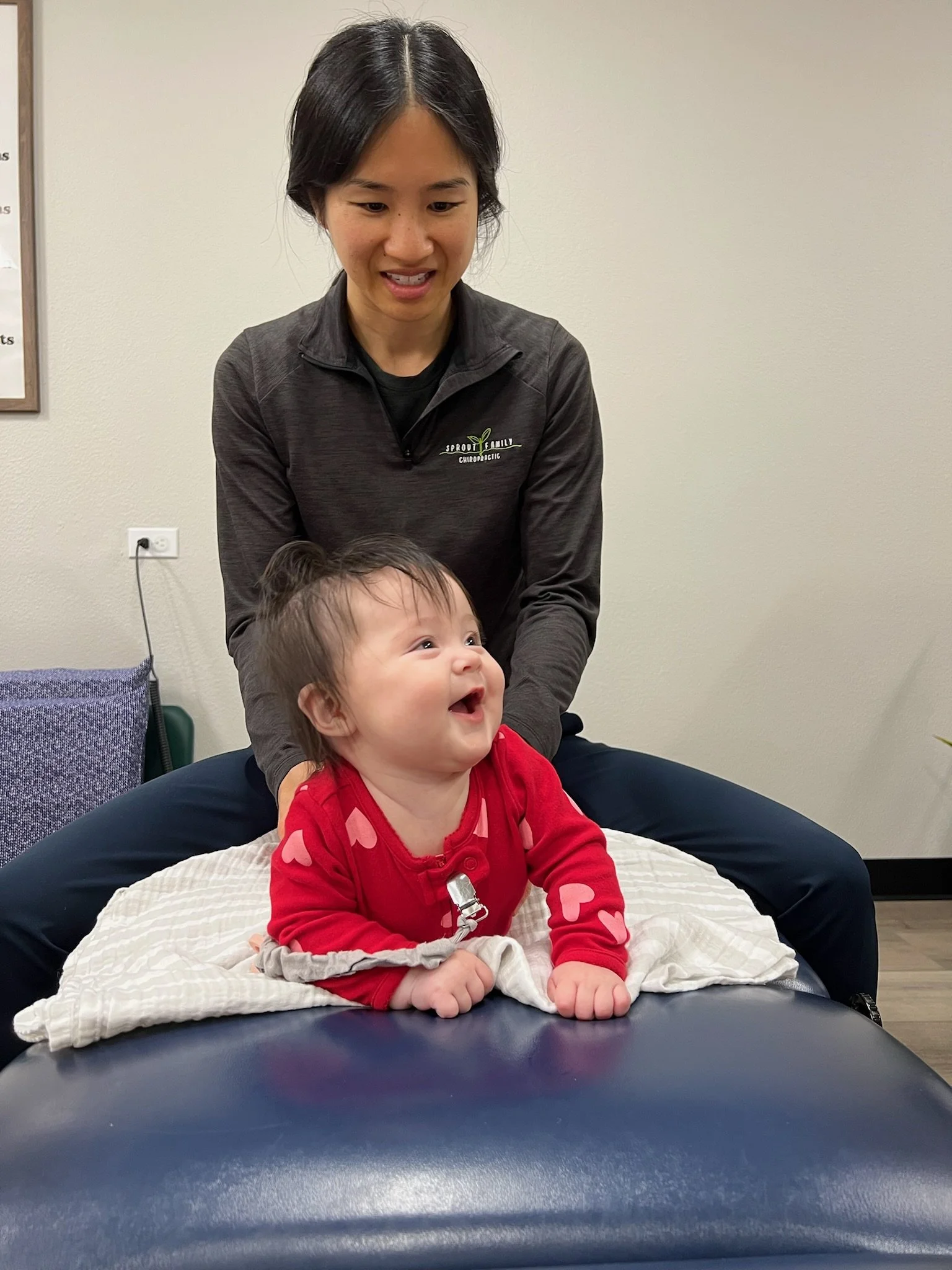
If you’re a San Diego parent navigating autism, sensory processing disorder, ADHD, anxiety, genetic conditions, or developmental delays, you may have been told:
“That’s just part of the diagnosis.”
Yet many families we meet in our San Diego pediatric chiropractic office feel there’s more beneath the surface — especially when their child struggles with regulation, immunity, digestion, or stress.
Emerging neuroscience and immunology research is now showing that many of these challenges are connected through one powerful system: the nervous system — and specifically, the vagus nerve.
Why San Diego Parents Are Asking About the Vagus Nerve and Autism
Parents searching for terms like “vagus nerve autism San Diego”, “nervous system dysregulation in kids”, or “holistic autism support near me” are not imagining things.
Modern research shows that the vagus nerve plays a central role in immune regulation, inflammation, gut health, sensory processing, emotional regulation, and brain development — areas commonly affected in neurodivergent children.
For families raising children in fast-paced, overstimulating environments — even beautiful ones like San Diego — nervous system stress can quietly accumulate.
How the Vagus Nerve Affects the Immune System in Children
The immune system and nervous system are not separate.
They communicate constantly — and the vagus nerve is one of the main communication pathways between the brain, gut, and immune system.
Research shows:
Immune signals (cytokines) are detected by vagus nerve sensory fibers
The brain receives real-time updates about inflammation
The nervous system adjusts its output based on immune stress
In simple terms: Your child’s brain knows when their immune system is under stress — and adapts its behavior, energy use, and regulation accordingly.
The Nervous System–Immune Connection in Autism and Neurodevelopmental Disorders
Children with autism, ADHD, sensory processing disorder, anxiety, and genetic or metabolic conditions often show:
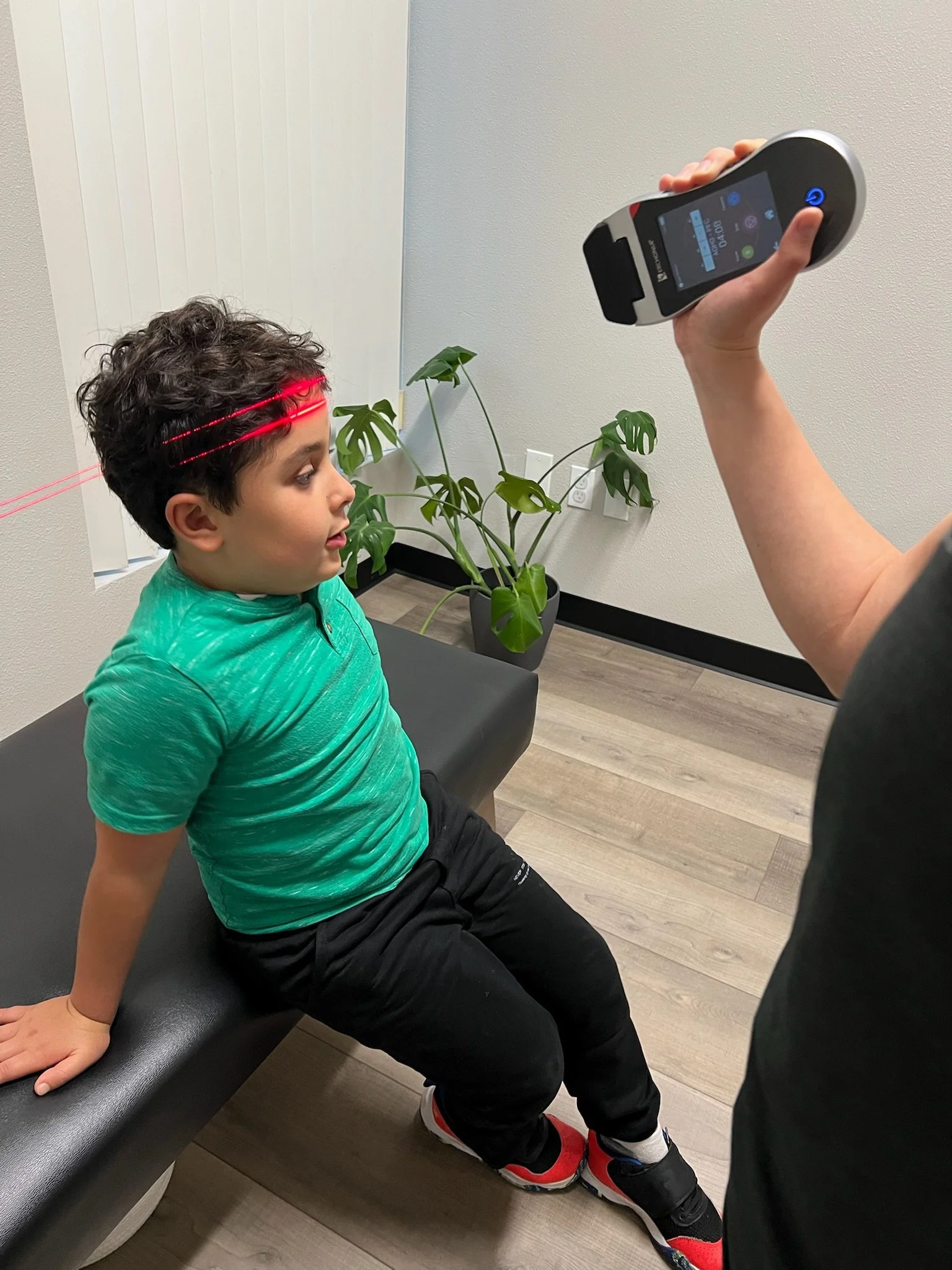
Dr. Rachel Wong-Homer, San Diego Pediatric Chiropractor, Cold Laser Therapy
Chronic low-grade inflammation
Immune dysregulation
Gut–immune imbalance
Difficulty shifting into calm, regulated states
When immune stress is ongoing, the nervous system stays in survival mode.
For San Diego parents, this can show up as:
Sensory overload in busy environments
Emotional outbursts or anxiety
Sleep challenges
Digestive issues
Difficulty with attention or transitions
This doesn’t mean something is “wrong” with your child.
It means their nervous system may be overworked and under-supported.
What Is the Inflammatory Reflex — and Why It Matters for Kids with ASD and ADHD
The body has a built-in mechanism to calm excessive inflammation: the inflammatory reflex.
Through the vagus nerve:
The brain receives immune information
The brain sends signals back to help regulate inflammation
In many neurodivergent children, this reflex appears less efficient, especially during chronic stress.
Supporting nervous system regulation helps give this reflex the opportunity to function more effectively.
The Gut–Immune–Brain Axis and Vagus Nerve Function in Children
Many San Diego parents notice patterns like:
Gut issues alongside behavioral challenges
Regressions after illness
Stress-related digestive changes
This is explained by the gut–immune–brain axis, where:
Gut health affects immune signaling
Immune activity influences brain function
The vagus nerve connects it all
This connection helps explain why digestion, behavior, immunity, and regulation are deeply linked.
Nervous System Regulation vs Symptom Management in Autism and Sensory Processing Disorder
At Sprout Family Chiropractic in San Diego, we don’t focus on “treating” autism, ADHD, or sensory processing disorder.
Instead, we ask:
Is your child’s nervous system able to regulate?
When regulation improves, families often notice:
Greater emotional resilience
Improved adaptability
Better sleep and digestion
Easier sensory processing
This aligns with what modern neuroimmune research shows: regulated nervous systems support healthier development.
Can Supporting the Vagus Nerve Help Kids with Autism, ADHD, or Anxiety?
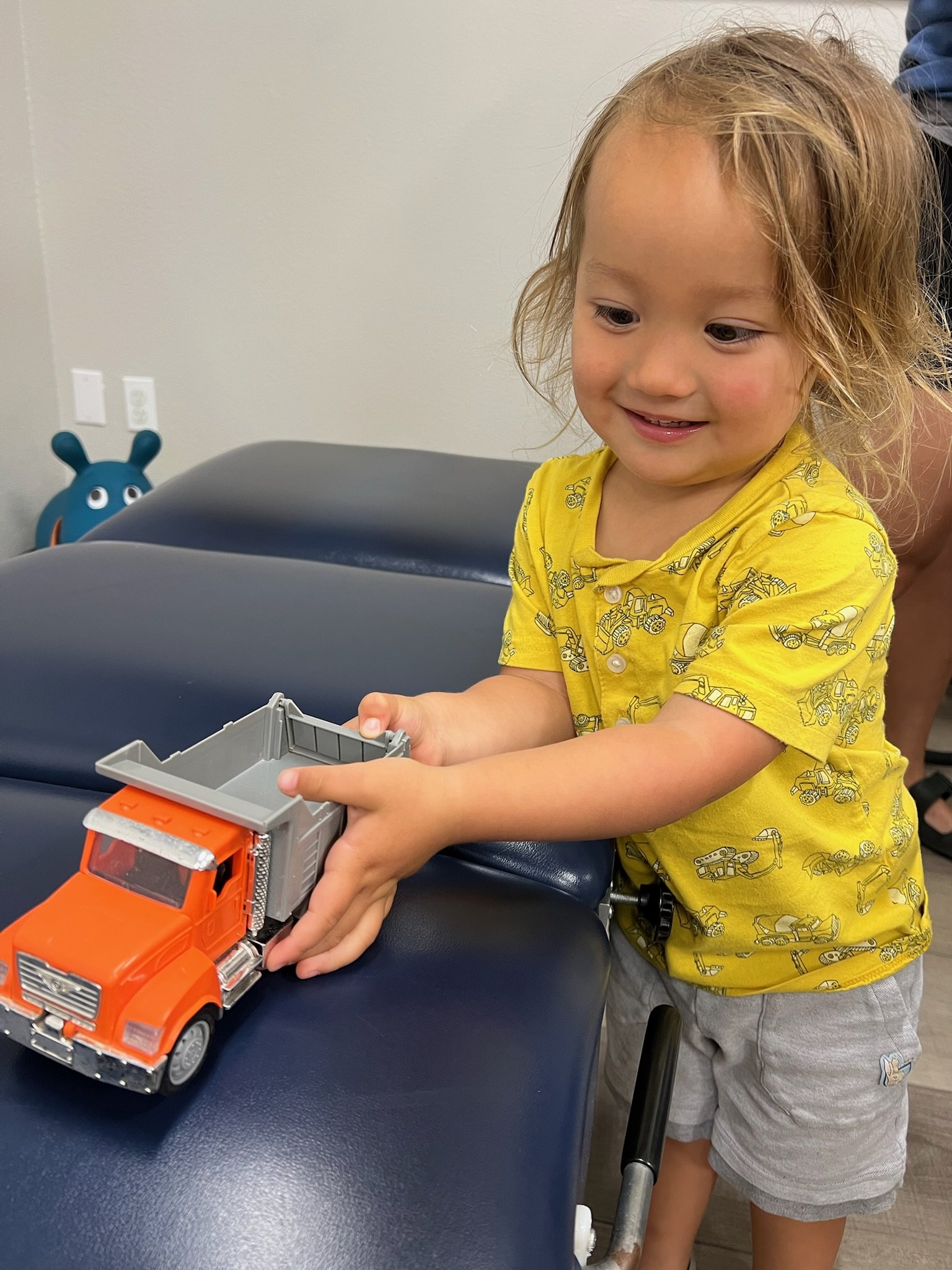
San Diego Pediatric Chiropractic
Neurologically focused pediatric chiropractic care is designed to:
Reduce physical stress on the nervous system
Improve communication between the brain and body
Support parasympathetic (rest-and-digest) function
Help the vagus nerve operate more effectively
At our San Diego pediatric chiropractic office, care may include:
Objective nervous system scans
Gentle, child-appropriate adjustments
Low-level laser therapy (photobiomodulation), when appropriate
A regulation-first, whole-child approach
The goal is not stimulation.
The goal is regulation.
Key Takeaways for San Diego Parents
The vagus nerve connects the brain, immune system, and gut
Immune stress influences brain development and behavior
Many neurodivergent children experience nervous system dysregulation
Regulation — not force or stimulation — supports development
Nervous system–focused care offers a grounded, science-informed path
Frequently Asked Questions (San Diego Parents Ask Us)
Is the vagus nerve involved in autism?
The vagus nerve plays a key role in nervous system regulation, immune signaling, and gut–brain communication — areas commonly affected in children with autism. While autism is not caused by a single nerve, vagus nerve function is an important part of the neuroimmune picture.
Can a pediatric chiropractor help with nervous system regulation?
A neurologically focused pediatric chiropractor supports nervous system communication and regulation. This approach does not treat diagnoses but may help the nervous system respond more adaptively to stress.
Is this type of care available in San Diego?
Yes. At Sprout Family Chiropractic, we specialize in nervous system–focused pediatric care for families across San Diego County.
A Final Message for Parents
Your child is not broken.
Their nervous system may simply be overwhelmed.
When regulation improves, the brain has space to do what it’s designed to do: adapt, connect, and grow.
If you’re a San Diego parent curious about your child’s nervous system and whether a regulation-focused approach may help, we’re here to guide that conversation.
Scientific References & Further Reading
Huerta, T. S., et al. (2025). Neural representation of cytokines by vagal sensory neurons. Nature Communications, 16, 3840. https://doi.org/10.1038/s41467-025-59248-6
Jin, H., et al. (2024). A body–brain circuit that regulates body inflammatory responses. Nature. https://doi.org/10.1038/s41586-024-07469-y
Rolls, A. (2023). Immunoception: the insular cortex perspective. Cellular & Molecular Immunology. https://doi.org/10.1038/s41423-023-01051-8
Tracey, K. J. (2009). Reflex control of immunity. Nature Reviews Immunology, 9, 418–428. https://doi.org/10.1038/nri2566
Liu, F. J., et al. (2024). Non-invasive vagus nerve stimulation in anti-inflammatory therapy: mechanistic insights and future perspectives. Frontiers in Neuroscience. https://doi.org/10.3389/fnins.2024.1490300
Park, J. C., Chang, L., & Im, S.-H. (2025). Beyond the gut: decoding the gut–immune–brain axis in health and disease. Cellular & Molecular Immunology. https://doi.org/10.1038/s41423-025-01333-3
Ouyang, H., et al. (2025). Microbial orchestration of neuroimmune crosstalk. Frontiers in Immunology. https://doi.org/10.3389/fimmu.2025.1679286
Thayer, J. F., & Lane, R. D. (2000).
A model of neurovisceral integration in emotion regulation and dysregulation. Journal of Affective Disorders, 61, 201–216.Porges, S. W. (2011). The Polyvagal Theory: Neurophysiological Foundations of Emotions, Attachment, Communication, and Self-Regulation. W.W. Norton & Company.
Proudly supporting kids with ADHD across Clairemont, Mira Mesa, Scripps Ranch, Kearny Mesa, La Jolla, and all of San Diego
Sprout Family Chiropractic | Pediatric + Nervous System Experts
Disclaimer: This article is for educational purposes and is not intended as medical advice. Always consult your child’s healthcare provider for personalized guidance.