
Sleep Problems in Kids | The Nervous System Connection in San Diego
A Regulation-Focused Perspective for San Diego Families
If you’re a San Diego parent of a child with autism spectrum disorder (ASD), ADHD, sensory processing challenges, anxiety, or developmental delays, sleep may feel like an ongoing battle.
Parents often tell us:
“They can’t fall asleep.”
“They wake up multiple times a night.”
“They’re exhausted but wired.”
“Sleep regressions happen after stress or illness.”
You may have tried routines, supplements, white noise, blackout curtains, or strict schedules — only to find that sleep still feels fragile.
What many parents aren’t told is this:
Sleep is not just a habit issue. It’s a nervous system issue.
Why Sleep Is So Closely Tied to the Nervous System
Sleep requires the nervous system to shift into a parasympathetic state, often called “rest-and-digest.”
In this state:
Heart rate slows
Breathing deepens
Muscles relax
Digestion and repair increase
The brain processes and integrates information
When a child’s nervous system is stuck in fight-or-flight, sleep becomes difficult — even when the child is physically exhausted.
This is especially common in neurodivergent children.
What Sleep Problems Can Look Like in Neurodivergent Kids
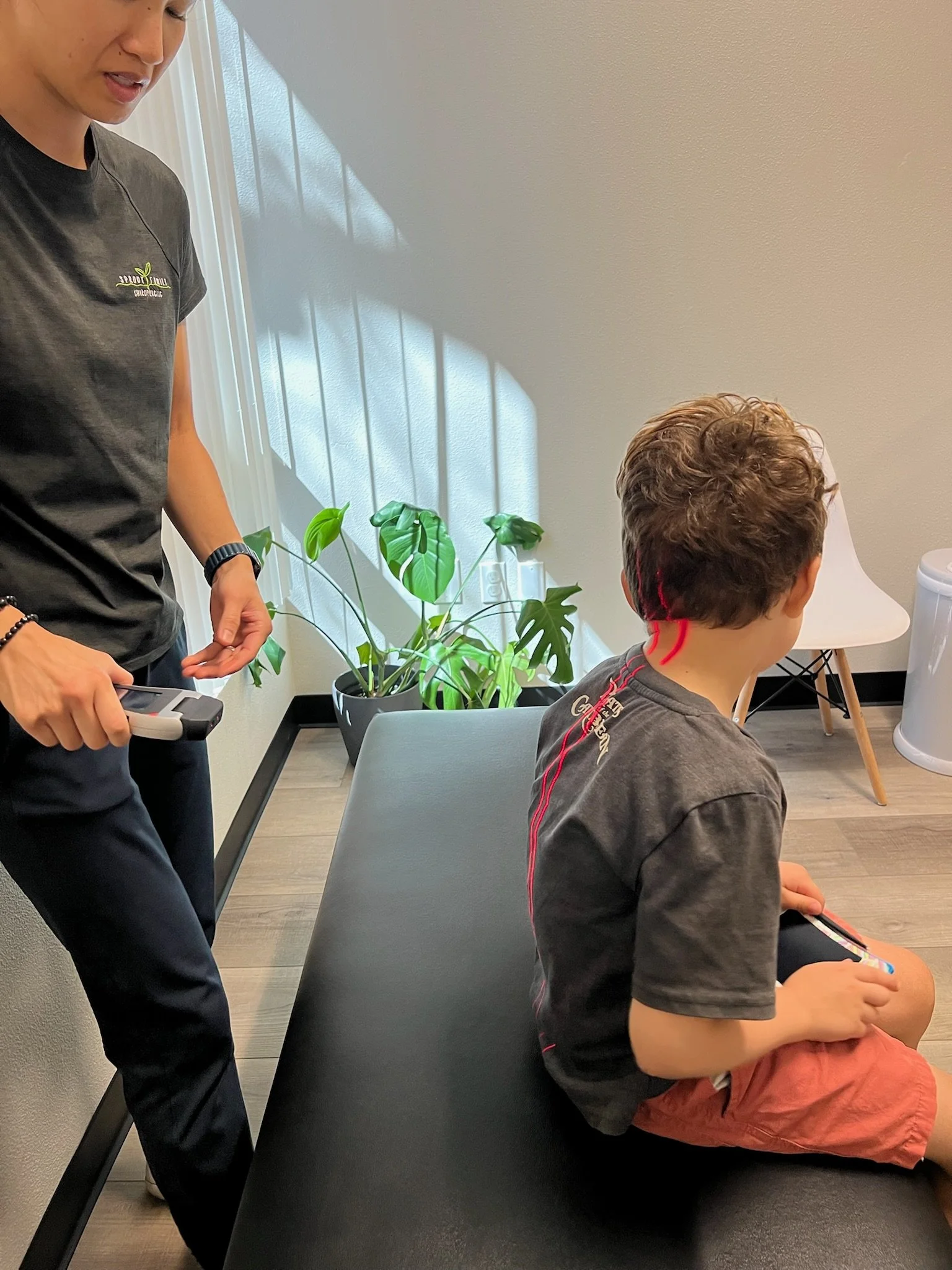
Dr. Nicole Wong-Homer, Pediatric Chiropractor in San Diego, Low Level Laser Therapy
Sleep challenges don’t look the same in every child.
For many San Diego families, this may show up as:
Difficulty falling asleep
Frequent night waking
Early morning waking
Restless sleep or movement during the night
Night terrors or nightmares
Increased anxiety at bedtime
Worsening behavior or sensory sensitivity when tired
These patterns are often signs that the nervous system is having difficulty down-regulating.
Why Neurodivergent Kids Struggle More With Sleep
Research shows that children with autism, ADHD, sensory processing disorder, and anxiety often have:
Altered autonomic nervous system balance
Higher baseline sympathetic (stress) activity
Reduced parasympathetic tone
Increased sensitivity to sensory input
This means their nervous systems:
Take longer to shift into calm states
React more strongly to stress or stimulation
Have difficulty maintaining regulation through the night
In busy, stimulating environments — even beautiful ones like San Diego — nervous system overload can quietly accumulate throughout the day and show up at bedtime.
The Immune System, Illness, and Sleep Disruptions
Parents often notice sleep gets worse:
After illness
During immune flares
Following antibiotics
During periods of stress or growth
This is not coincidence.
The immune system communicates directly with the brain through neural pathways. When immune signaling is elevated:
The brain receives “alert” messages
Nervous system arousal increases
Deep, restorative sleep becomes harder
This helps explain why sleep regressions often follow illness or inflammation.
Why “Just Try Harder to Sleep” Doesn’t Work
Sleep is not something the nervous system can force.
A child cannot relax into sleep if their body still feels unsafe.
When the nervous system is in protection mode:
Melatonin signaling may be disrupted
Cortisol levels may remain elevated
The brain stays vigilant instead of restorative
Sleep improves when the nervous system feels safe enough to let go.
Regulation vs Sleep Training: An Important Distinction
Many approaches focus on:
Behavioral sleep training
Strict schedules
Managing night wakings
A nervous system–based approach asks a different question: Is this child’s nervous system capable of regulating into sleep?
When regulation improves:
Falling asleep becomes easier
Night wakings may decrease
Sleep becomes deeper and more restorative
Daytime regulation often improves as well
Sleep is often a reflection of nervous system health — not a separate problem.
How Nervous System–Focused Chiropractic Care Fits In
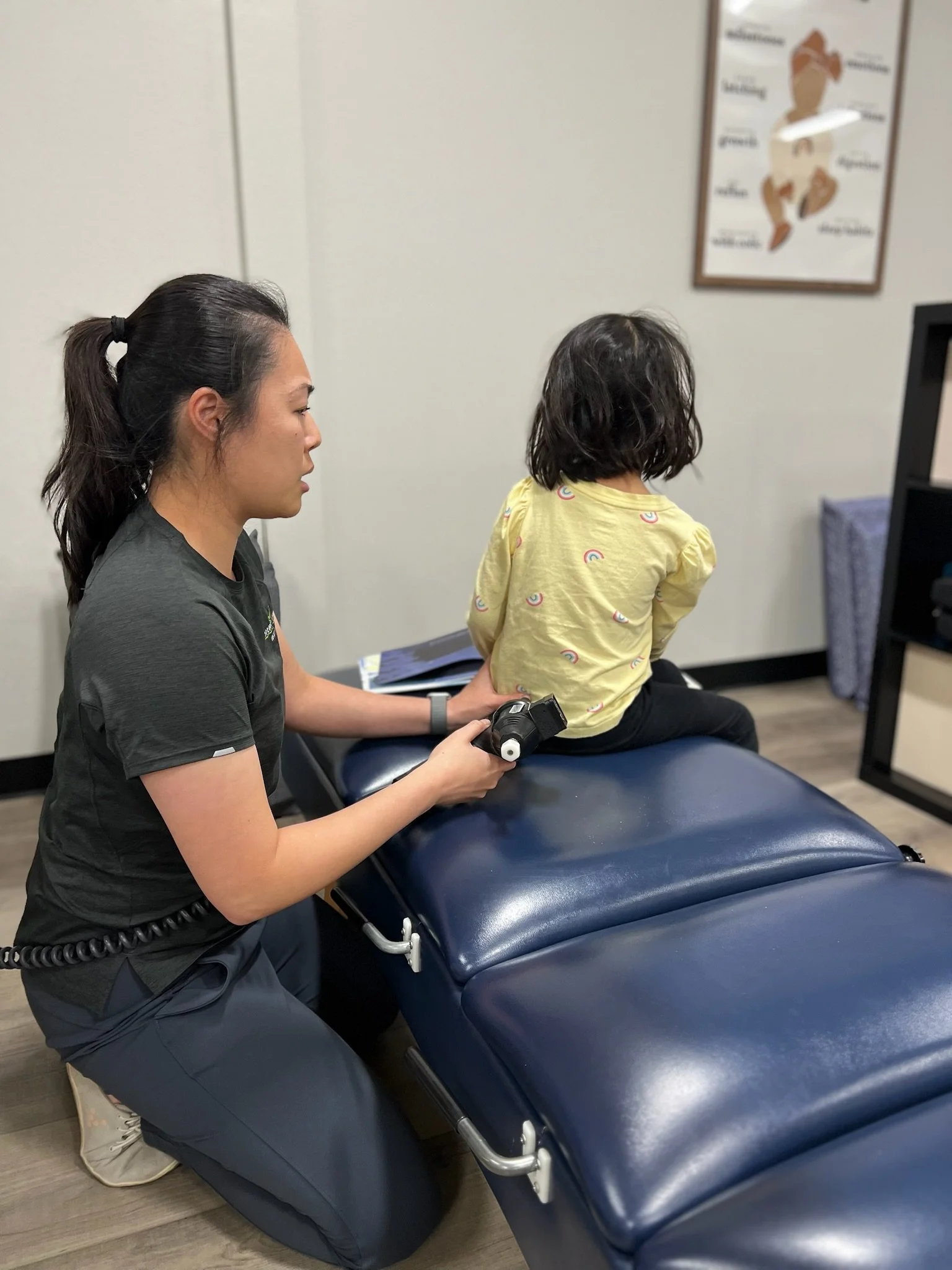
Dr. Rachel Wong-Homer, Pediatric Chiropractor San Diego, Pediatric Adjustment
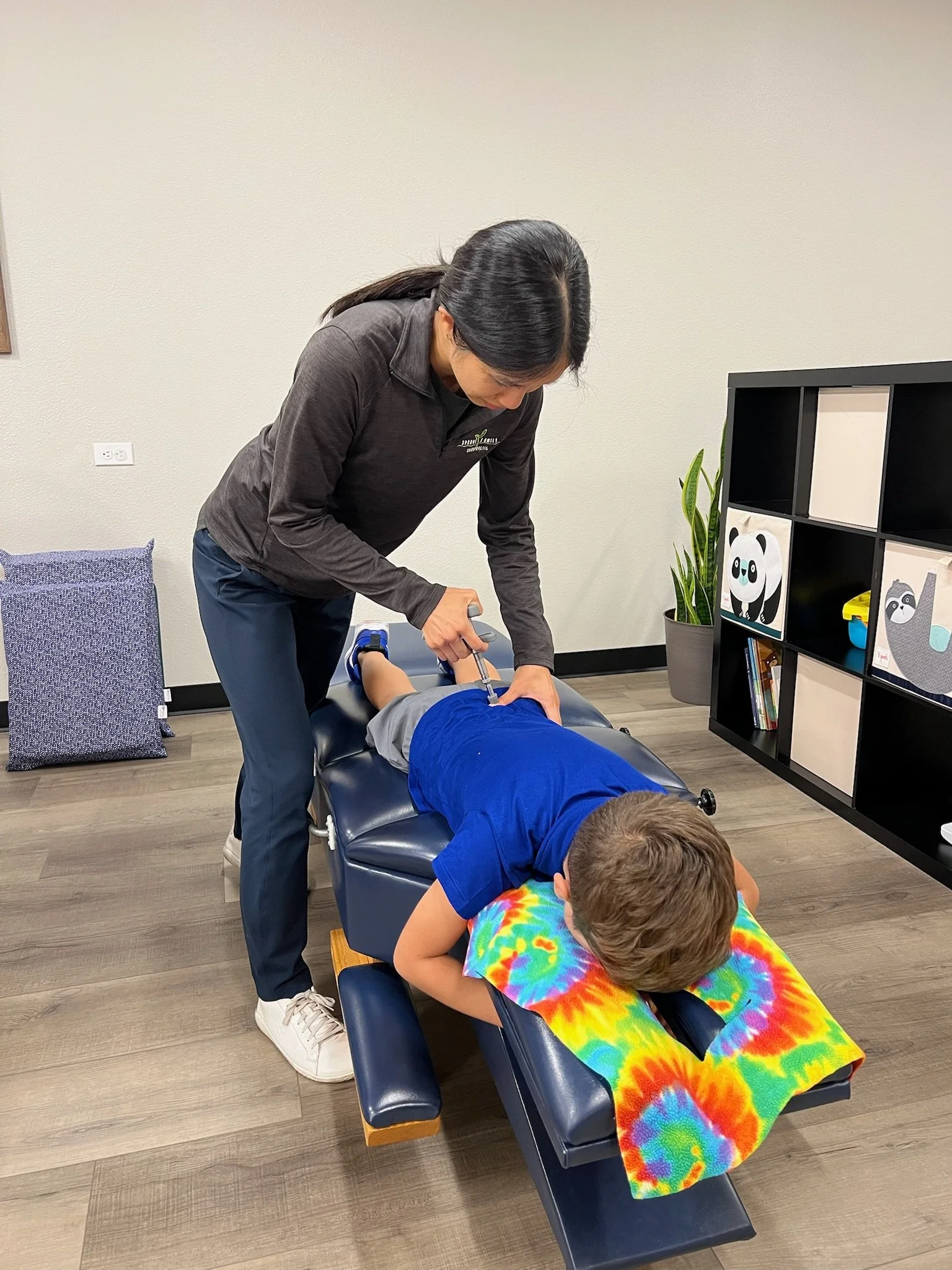
At Sprout Family Chiropractic in San Diego, we don’t treat sleep disorders or diagnose conditions.
Our focus is the nervous system.
Neurologically focused pediatric chiropractic care is designed to:
Reduce physical stress on the nervous system
Support clearer brain-body communication
Improve parasympathetic (rest-and-digest) tone
Help the nervous system regulate more efficiently
Care may include:
Objective nervous system scans to assess stress patterns
Gentle, age-appropriate chiropractic adjustments
Low-level laser therapy (photobiomodulation), when appropriate
A regulation-first, whole-child approach
The goal is not sedation or stimulation.
The goal is regulation.
Key Takeaways for San Diego Parents
Sleep requires nervous system regulation
Many neurodivergent kids live in chronic fight-or-flight
Immune stress and illness can disrupt sleep
Better regulation often leads to better sleep
Supporting the nervous system supports rest and recovery
Frequently Asked Questions About Sleep and the Nervous System
Why does my child seem tired but unable to sleep?
This often reflects a nervous system that is overstimulated but exhausted — commonly seen in chronic fight-or-flight states.
Can nervous system dysregulation affect melatonin?
Stress and nervous system imbalance can influence hormonal signaling, including melatonin, making it harder for the body to shift into sleep.
Is poor sleep common in autism and ADHD?
Yes. Sleep challenges are extremely common in neurodivergent children and are closely linked to nervous system regulation.
Can chiropractic care help my child sleep better?
Neurologically focused pediatric chiropractic care supports nervous system communication and regulation. It does not treat sleep disorders, but some families notice improved regulation that supports sleep.
A Final Message for Parents
Your child isn’t fighting sleep.
Their nervous system may be fighting to stay safe.
When we support regulation, we give the body permission to rest, repair, and recover.
If you’re a San Diego parent wondering whether your child’s sleep struggles may be rooted in nervous system stress, we’re here to guide that conversation.
Scientific References & Further Reading
Thayer, J. F., & Lane, R. D. (2000). A model of neurovisceral integration in emotion regulation and dysregulation. Journal of Affective Disorders, 61, 201–216.
Porges, S. W. (2011). The Polyvagal Theory: Neurophysiological Foundations of Emotions, Attachment, Communication, and Self-Regulation. W.W. Norton & Company.
Huerta, T. S., et al. (2025). Neural representation of cytokines by vagal sensory neurons. Nature Communications, 16, 3840.
Jin, H., et al. (2024). A body–brain circuit that regulates body inflammatory responses. Nature.
Proudly supporting kids with ADHD across Clairemont, Mira Mesa, Scripps Ranch, Kearny Mesa, La Jolla, and all of San Diego
Sprout Family Chiropractic | Pediatric + Nervous System Experts
Disclaimer: This article is for educational purposes and is not intended as medical advice. Always consult your child’s healthcare provider for personalized guidance.