
The Gut–Brain–Immune Connection in Kids | San Diego Pediatric Chiropractic
Why Digestion, Behavior, and Nervous System Regulation Are So Closely Linked
If you’re a San Diego parent raising a child with autism spectrum disorder (ASD), sensory processing disorder, ADHD, anxiety, or developmental delays, you may have noticed something curious:
When digestion is off, everything feels harder.
Parents often tell us:
• “When their gut is acting up, their behavior changes.”
• “After illness or antibiotics, things regress.”
• “Constipation and meltdowns seem connected.”
• “Sleep, digestion, and regulation all flare together.”
This isn’t coincidence.
Science now describes a powerful relationship known as the gut–brain–immune axis — and it plays a major role in nervous system regulation, especially in neurodivergent children.
What Is the Gut–Brain–Immune Axis?
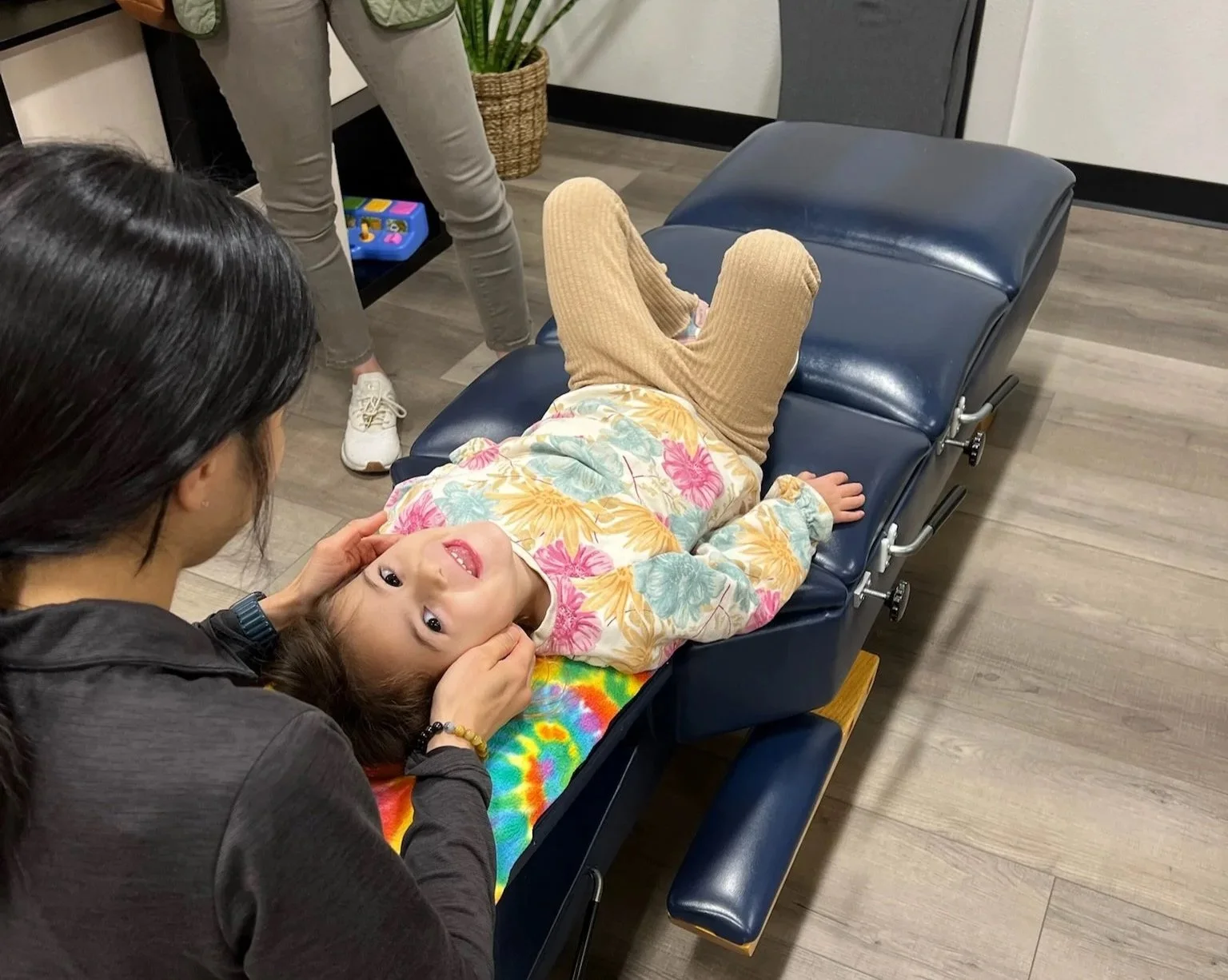
Pediatric Chiropractor Dr. Nicole Wong-Homer at Sprout Family Chiropractic in San Diego
The gut, brain, and immune system are in constant communication.
This communication happens through:
• The nervous system (especially the vagus nerve)
• The immune system (via inflammatory signaling)
• The gut microbiome (bacteria that influence immune and brain function)
Rather than operating separately, these systems form an integrated loop:
• The gut sends signals to the brain
• The immune system influences nervous system tone
• The brain regulates digestion, immunity, and stress responses
In children with developing nervous systems, this loop is especially influential.
Why Gut Health Affects Behavior and Regulation in Kids
The gut does far more than digest food.
It:
• Houses a large portion of the immune system
• Produces neurotransmitters and signaling molecules
• Communicates directly with the brain via the vagus nerve
When the gut is under stress — from illness, inflammation, food sensitivities, or chronic tension — the brain receives a “threat” signal.
The nervous system responds by shifting toward fight-or-flight.
For children, this may look like:
• Increased sensory sensitivity
• Emotional volatility
• Anxiety or restlessness
• Sleep disruption
• Difficulty with focus or transitions
The behavior isn’t the problem. It’s a communication issue inside the body.
Sprout Family Chiropractic - pediatric chiropractic care in Kearny Mesa, San Diego
The Vagus Nerve: The Gut–Brain Communication Highway
The vagus nerve is the primary pathway connecting the gut to the brain.
Importantly:
• Most vagus nerve fibers send information from the gut up to the brain
• The brain uses this information to determine safety vs stress
• Digestive distress can directly influence emotional and sensory regulation
Research published in Nature Communications shows that vagal sensory neurons can detect immune signaling molecules — meaning the brain is constantly receiving updates about gut and immune stress.
This helps explain why digestive challenges often appear alongside nervous system dysregulation.
The Immune System’s Role in Gut–Brain Communication
The gut and immune system are deeply intertwined.
A large portion of immune activity happens in and around the digestive tract.
When immune activation becomes chronic:
• Inflammatory signals increase
• The nervous system remains on alert
• Regulation becomes more difficult
For San Diego families, this often shows up after:
• Frequent childhood illness
• Antibiotic use
• Food reactions
• Ongoing constipation or reflux
This does not mean digestion causes neurodevelopmental differences.
It means immune stress influences nervous system regulation, especially in developing brains.
Why Neurodivergent Kids Are More Affected
Children with autism, ADHD, sensory processing disorder, and genetic conditions often experience:
• Higher baseline nervous system stress
• Differences in autonomic regulation
• Increased immune sensitivity
• Altered gut–brain signaling
When the system is already working hard, even small digestive or immune stressors can tip it into dysregulation.
This is why parents often notice:
• Regressions after illness
• Increased sensory challenges with gut flares
• Difficulty sleeping during digestive stress
Regulation vs “Fixing the Gut”
Many approaches focus on fixing digestion in isolation.
A nervous-system-based approach asks a broader question: “Is the body able to regulate?”
When regulation improves:
• Digestion often becomes more consistent
• Immune responses become less reactive
• The nervous system shifts out of constant protection
• Kids become more adaptable and resilient
The goal isn’t perfection — it’s capacity.
How Nervous System–Focused Chiropractic Care Fits In
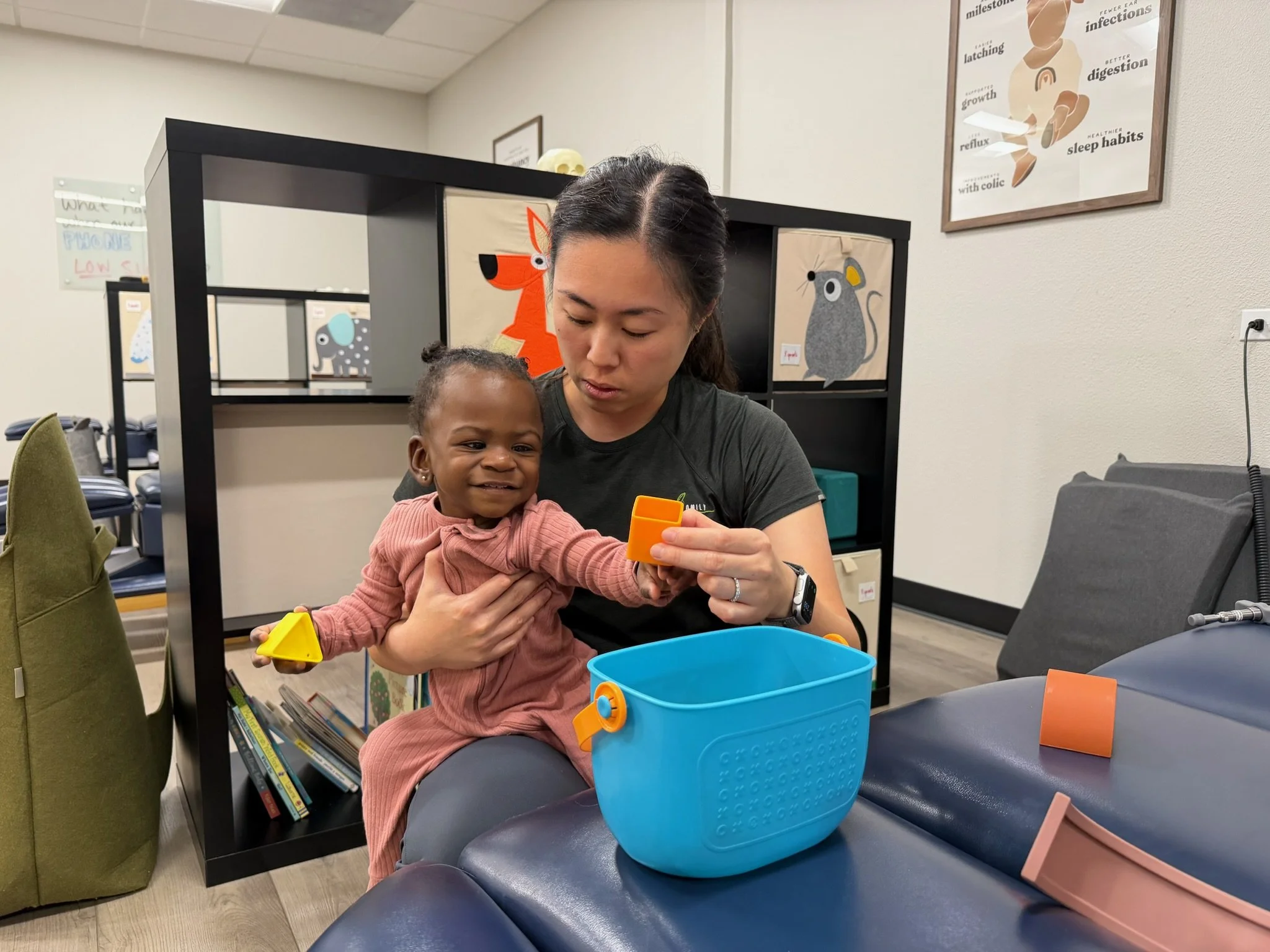
Dr. Rachel Wong-Homer, pediatric chiropractor at Sprout Family Chiropractic in Kearny Mesa, San Diego
At Sprout Family Chiropractic in San Diego, we don’t treat gut conditions or immune disorders.
Our role is to support the nervous system, which plays a central role in:
• Digestive motility
• Stress responses
• Immune communication
• Regulation and adaptability
Neurologically focused pediatric chiropractic care is designed to:
• Reduce physical stress on the nervous system
• Support clearer brain–body communication
• Improve parasympathetic (rest-and-digest) tone
• Help the nervous system regulate more effectively
Care may include:
• Objective nervous system scans
• Gentle, age-appropriate chiropractic adjustments
• Low-level laser therapy (photobiomodulation), when appropriate
• A whole-child, regulation-focused approach
The goal is not stimulation. The goal is regulation.
Key Takeaways for San Diego Parents
• The gut, brain, and immune system communicate constantly
• Digestive stress can influence behavior and regulation
• The vagus nerve is a major gut–brain pathway
• Immune stress affects nervous system tone
• Supporting regulation helps the whole system function more smoothly
Frequently Asked Questions About the Gut–Brain–Immune Connection
Can gut problems affect behavior in children?
Yes. Digestive stress can influence nervous system regulation, which may affect emotional responses, sensory processing, and adaptability.
Is the gut–brain connection important in autism and ADHD?
Research shows altered gut–brain–immune signaling in many neurodivergent children. This does not cause diagnoses but can influence regulation and stress responses.
Does chiropractic care treat gut issues?
No. Pediatric chiropractic care does not treat digestive conditions. It supports nervous system regulation, which plays a role in digestive function.
Why do kids regress after illness?
Illness activates the immune system, which can increase nervous system stress and temporarily reduce regulation capacity.
A Final Message for Parents
Your child’s body is communicating — not malfunctioning.
When the nervous system has support, the entire gut–brain–immune system has more room to regulate.
That space matters.
If you’re a San Diego parent curious about how your child’s nervous system may be influencing digestion, behavior, and regulation, we’re here to guide that conversation.
Scientific References & Further Reading
1. Park, J. C., Chang, L., & Im, S.-H. (2025). Beyond the gut: decoding the gut–immune–brain axis in health and disease. Cellular & Molecular Immunology.
2. Huerta, T. S., et al. (2025). Neural representation of cytokines by vagal sensory neurons. Nature Communications, 16, 3840.
3. Jin, H., et al. (2024). A body–brain circuit that regulates body inflammatory responses. Nature.
4. Ouyang, H., et al. (2025). Microbial orchestration of neuroimmune crosstalk. Frontiers in Immunology.
Proudly supporting kids with ADHD across Clairemont, Mira Mesa, Scripps Ranch, Kearny Mesa, La Jolla, and all of San Diego
Sprout Family Chiropractic | Pediatric + Nervous System Experts
Disclaimer: This article is for educational purposes and is not intended as medical advice. Always consult your child’s healthcare provider for personalized guidance.